Coffee Table
Overview
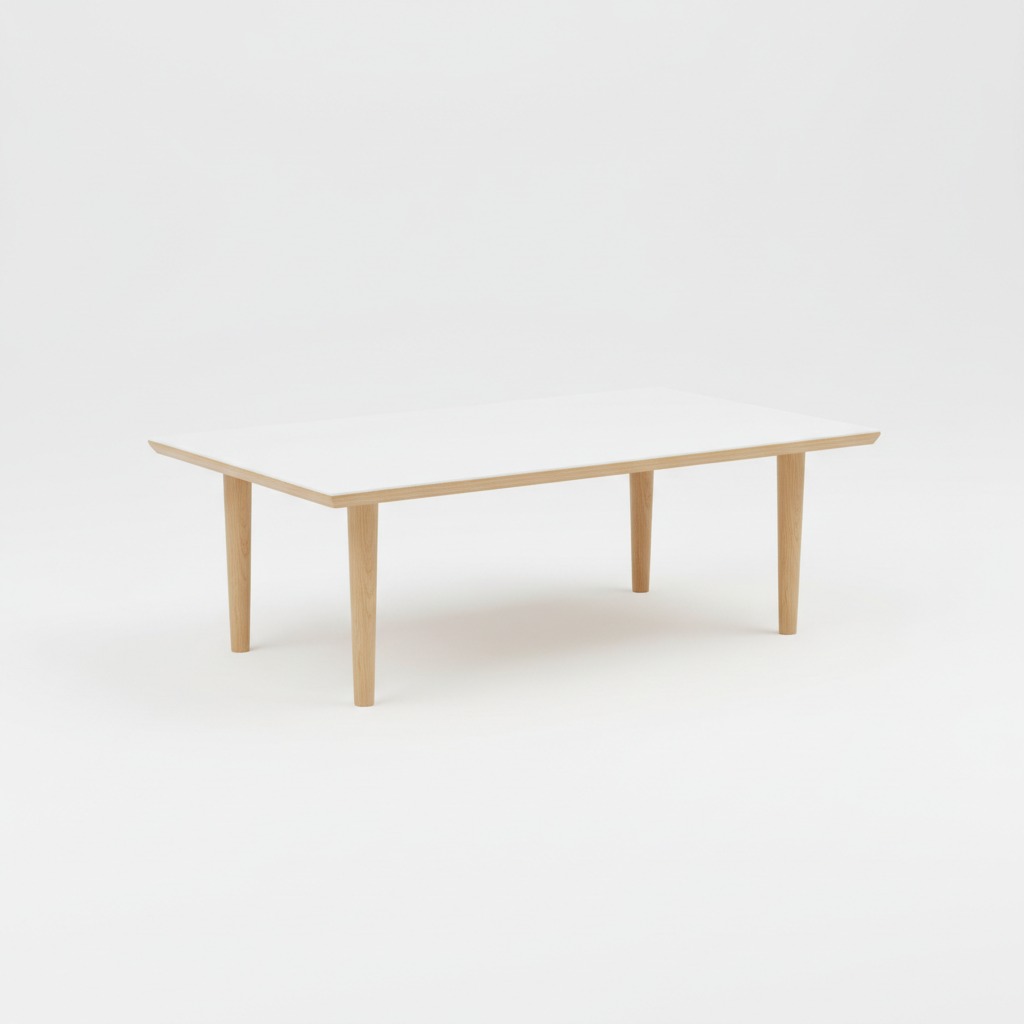
A coffee table is a practical medium-level woodworking project that teaches frame construction, accurate leg placement and tabletop assembly.
For this guide, we will build a table approximately 100 cm long, 55 cm wide and 45 cm high.
Difficulty: Medium
Estimated Time: 5-8 hours
Estimated Cost: $50-$100
Materials
- Wooden boards for tabletop
- 4 wooden legs
- Wood for the supporting frame
- Wood screws
- Wood glue
- Sandpaper, 120 and 220 grit
- Wood finish or paint
- Rubber feet (optional)
Tools
- Measuring tape
- Pencil
- Carpenter’s square
- Saw
- Drill
- Screwdriver
- Clamps
- Level
- Sander or sanding block
Recommended Dimensions
- Length: 100 cm
- Width: 55 cm
- Height: 45 cm
- Tabletop thickness: 20-25 mm
- Legs: approximately 6 × 6 cm
- Frame height: 8-10 cm
- Leg inset: approximately 5 cm
- Frame corners: 90°
Tips
- Keep the tabletop relatively light so the legs do not need to support unnecessary weight.
- Check the frame before attaching the tabletop.
- Use a square throughout assembly.
- Round sharp tabletop edges slightly.
- Add rubber feet if the table will stand on a delicate floor.
Safety
- Wear safety glasses.
- Secure boards before cutting.
- Keep hands away from saw blades and drill bits.
- Get help moving the assembled table.
- Test the table gradually before placing heavy objects on it.
Steps
Step 1 — Cut the Tabletop Boards
Prepare boards that will form approximately 100 × 55 cm.
Mark each board carefully and cut them to length.
Use a straight guide for long cuts.
Tip: Arrange the boards on the floor before joining them so you can choose the best grain pattern.
Step 2 — Join the Tabletop
Apply wood glue to the joining edges.
Align the boards and clamp them together.
Check that the top surfaces remain level.
Allow the glue to cure according to the manufacturer’s instructions.
Tip: Place clamps above and below the tabletop if necessary to reduce bowing.
Step 3 — Build the Frame
Construct a rectangular frame underneath the tabletop.
Keep each corner at 90°.
Measure both diagonals before tightening the frame completely.
Tip: If the diagonal measurements differ, push the longer diagonal corner inward until they match.
Step 4 — Prepare the Legs
Cut four legs to approximately 42-43 cm, depending on your exact tabletop thickness.
The final height should be approximately 45 cm.
Sand all four legs.
Tip: Place all four legs together and compare their lengths. Even a few millimeters of difference can make the table rock.
Step 5 — Attach the Legs
Position the legs approximately 5 cm inward from each corner.
Keep them perpendicular to the frame at 90°.
Drill pilot holes and attach the legs.
Tip: Tighten the screws gradually and check the leg position after each one.
Step 6 — Attach the Tabletop
Place the frame upside down on the tabletop.
Center it carefully.
Secure the frame using screws or appropriate tabletop fasteners.
Tip: Measure from the frame to each tabletop edge. Equal measurements indicate that the frame is centered.
Step 7 — Sand the Table
Sand the tabletop with 120-grit, then 220-grit paper.
Slightly round the exposed corners and edges.
Clean all dust.
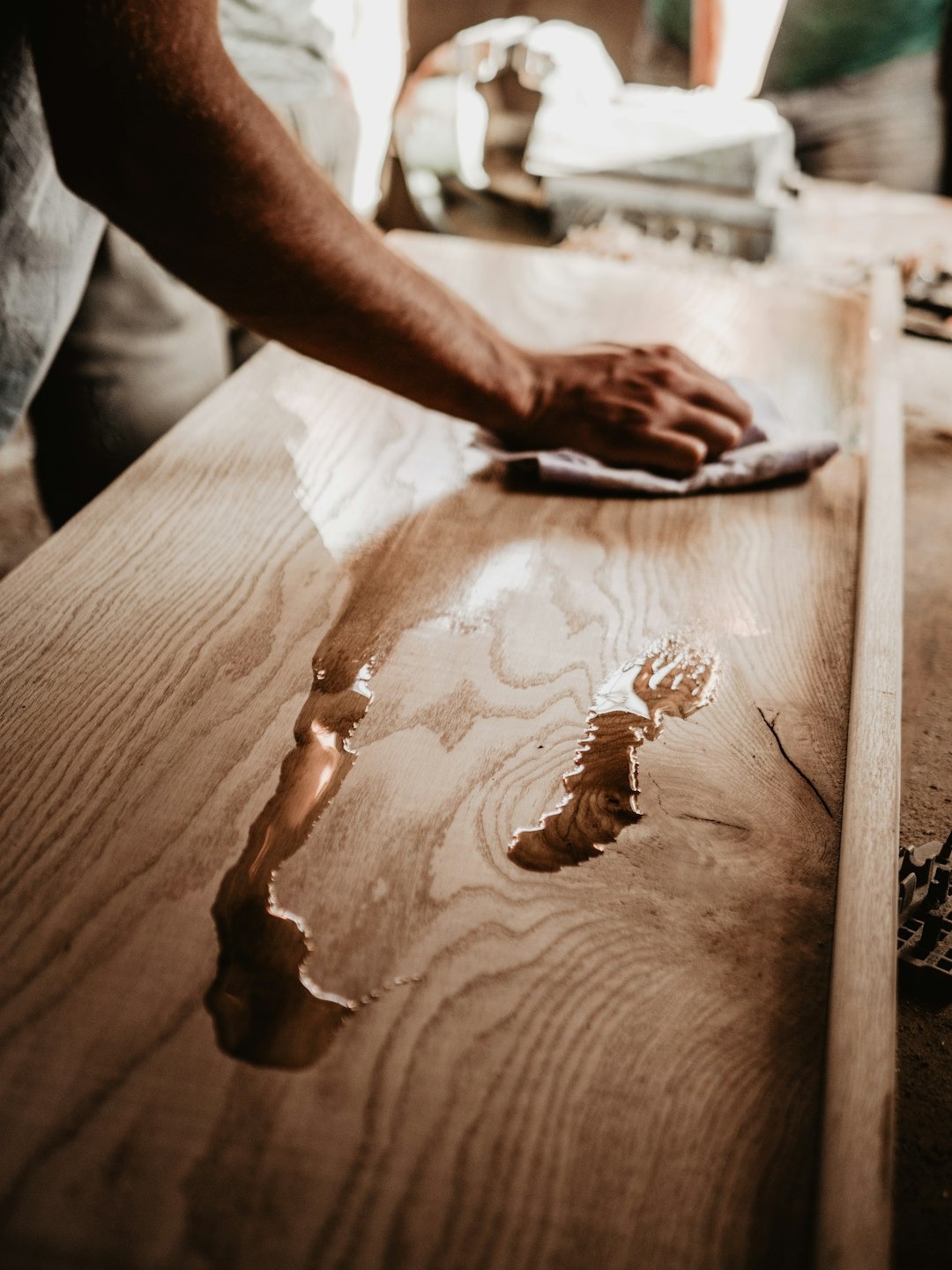
Tip: Wipe the surface with a clean cloth between sanding stages so you can see scratches that still need attention.
Step 8 — Apply the Finish
Work in a clean, dry and well-ventilated room.
Apply thin coats of paint, oil or varnish.
Allow each coat to dry completely.
Tip: Keep the table raised from the floor while finishing the legs so you can coat the bottom edges without touching wet finish.
Step 9 — Test Stability
Turn the table upright.
Check that all four legs touch the floor.
Apply light pressure to each corner.
If the table rocks, identify which leg is causing the problem and carefully correct it.
Tip: Never try to fix a rocking table by placing random objects under a leg. Correct the leg or frame properly.
Final Check
- Approximately 100 × 55 × 45 cm.
- Frame is square.
- Legs are at 90°.
- Tabletop is level.
- All joints are secure.
- Finish is completely dry.